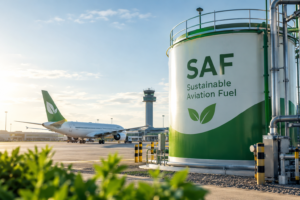
The aviation industry is increasingly turning to Sustainable Aviation Fuel (SAF) to reduce CO₂ emissions. SAF is produced through a variety of pathways using sustainable feedstocks, including used cooking oils, animal fats, biomass, and Power-to-Liquid processes.
As SAF production and use continue to increase, ensuring the quality of these fuels is becoming increasingly important. In addition to chemical composition, fuel cleanliness is also a key factor.
SAF must meet the stringent safety and quality requirements of the aviation industry. International ASTM specifications provide an important basis for these requirements. In particular, ASTM D7566 defines requirements for synthetic blending components and their blending with conventional aviation turbine fuel. New SAF production pathways are progressively being qualified and incorporated into the standard.As the range of production pathways continues to expand and SAF use increases worldwide, the need for reliable and reproducible testing methods is also growing.
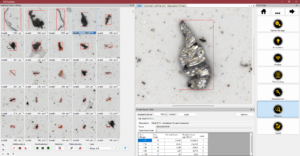
For SAF manufacturers, testing laboratories, and other stakeholders across the aviation industry, particle monitoring offers a range of valuable applications. These include, for example, checking fuel cleanliness, monitoring production and purification processes, investigating contamination, monitoring storage and transportation, as well as documenting and evaluating quality data.
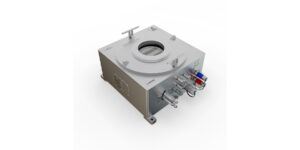
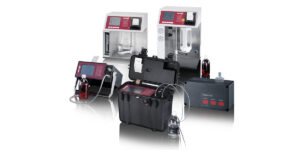
Sustainable Aviation Fuel is transforming the aviation fuel landscape while also creating new requirements for quality control. The PAMAS S40 AVTUR has been specifically developed for applications such as these and delivers reliable measurement results.
Find out more: PAMAS S40 AVTUR